A useful workshop gives employees space to think, contribute and decide what they will do differently. Here is how facilitation supports that process.
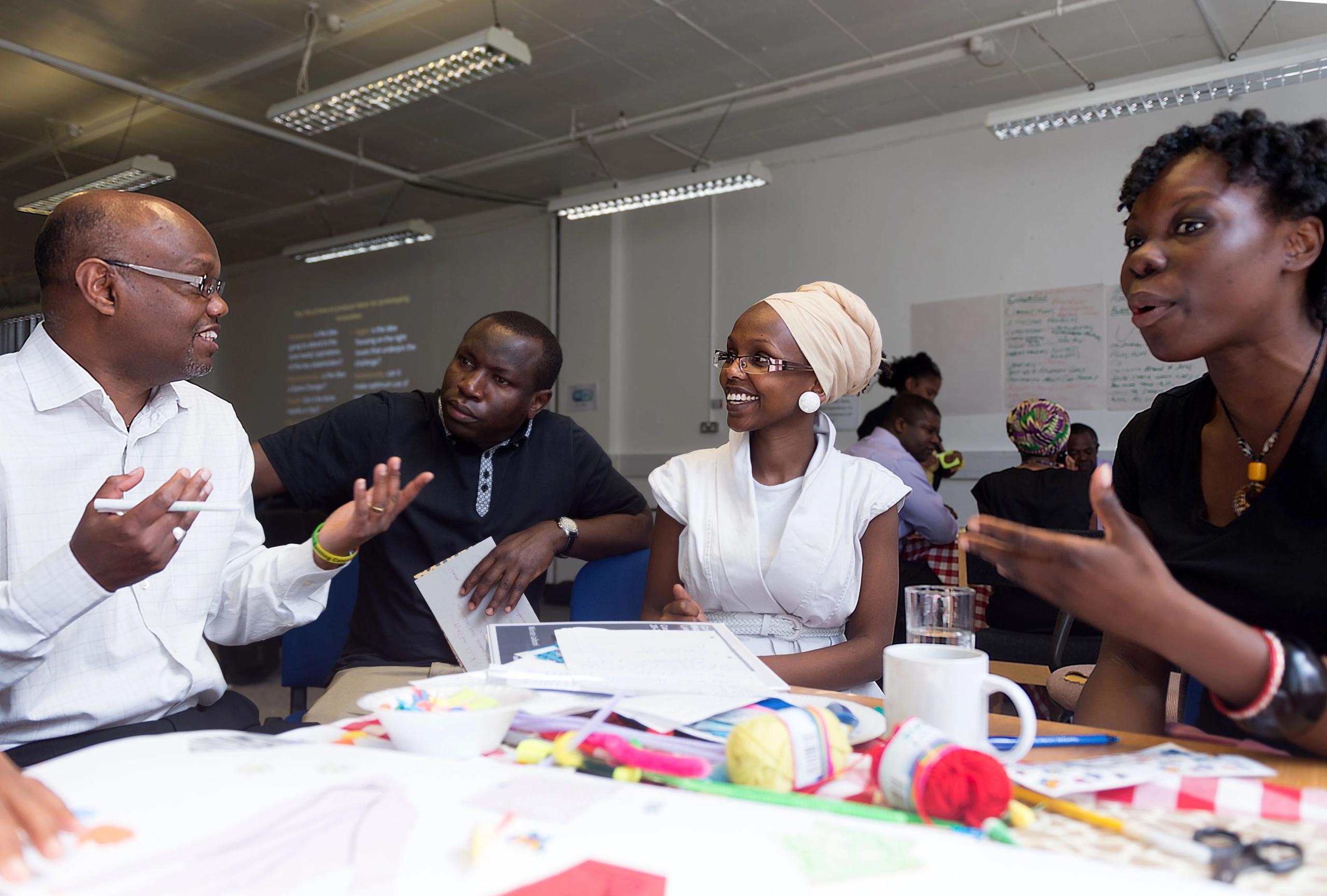 Participants discussing a workplace challenge during a Vector Learning workshop.
A team can understand a workplace problem and still struggle to decide what to do about it. People may see the issue differently, hesitate to speak openly or leave a meeting with competing interpretations of what was agreed.
Corporate training workshops create a structured space to work through those differences. Participants examine a challenge, learn from one another and agree on actions they can apply in their work.
For organisations in Uganda planning staff development, a retreat or a team workshop, facilitation offers a practical way to connect learning with the issues employees face every day.
What is a Corporate training workshop?
A orporate training workshop is a guided session in which participants actively explore a question or challenge. The facilitator designs the process, gives clear instructions and helps the group make progress.
Depending on the objective, the session might include individual reflection, paired conversations, small group discussions, a practical task or a shared review of a workplace scenario.
The facilitator guides participation and the learning process. Participants contribute their experience, test ideas and help shape the outcomes. Where specialist knowledge is needed, a subject expert or trainer can provide it within the session.
Start with a question that matters at work
A useful workshop needs a clear purpose. “Improve teamwork” is a starting point, but it leaves much open to interpretation.
A more focused question might be: “How can we reduce the delays that happen when work moves between our departments?” This gives the group something concrete to examine.
Consider a hypothetical organisation where a customer request passes through sales, finance and operations. Each department completes its own tasks, yet the customer keeps asking for updates. A corporate training discussion can help the team map the journey, identify missing information and agree on who communicates at each stage.
The discussion becomes useful because it connects directly to the work participants recognise.
Make it easier for people to contribute
Inviting questions does not automatically make everyone comfortable speaking. Some participants need time to think. Others may worry about how a comment will be received by a manager or colleague.
A facilitator can set ground rules that focus discussion on processes and behaviours, allow participants to pass and discourage naming individuals when discussing problems. Beginning with individual reflection or pairs can give people a gentler entry into the conversation.
Managers also influence the space. Listening without immediately defending existing practices can help the group explore a concern more fully. Sensitive matters may need a private channel or a separate organisational process rather than an open workshop discussion.
Turn experience into learning
A group activity needs a clear connection to the workshop objective. After a task, the facilitator helps participants examine what happened and what it means for their work.
Useful questions include:
- What helped us make progress?
- Where did we lose clarity or time?
- Where does this pattern appear in our daily work?
- What would we try differently next time?
For example, an activity may reveal that participants began working before agreeing on responsibilities. The learning comes from exploring how the same pattern affects real assignments and deciding how to address it.
Close with commitments people can use
Before the session ends, turn broad intentions into specific actions. “We will communicate better” offers little guidance. “We will use one handover checklist for customer requests and review it after two weeks” gives the team a practice to test.
Each agreed action should identify an owner, a starting point and a review date. Keep the list manageable and check that participants understand what they are committing to. Some proposed changes will require approval or resources, so record those dependencies too.
A workshop can create clarity and momentum. Follow-through depends on what managers and teams support afterwards.
Planning a corporate training workshop in Uganda
At Vector Learning, we design Corporate training workshops around workplace questions, with opportunities for participants to contribute, reflect and agree on practical next steps.
If your organisation is planning a workshop, start by describing the challenge you want the session to address, who needs to participate and what you hope will change afterwards.
Talk to Vector Learning about a corporate training workshop for your team.
Ready to transform your workplace conversations into actionable outcomes?
Contact Us Today
Jane Doe
October 5, 2026This article really hits the mark. Framing workshop goals around concrete workplace questions makes a huge difference in engagement compared to broad topics like 'teamwork'.
ReplyMichael K.
October 6, 2026The ground rules section is vital—especially when managers are in the same room. Great insights for team retreats here in Kampala.
Reply