Collaboration problems often show up at the point where work passes from one person or department to another. Start by examining those handovers.
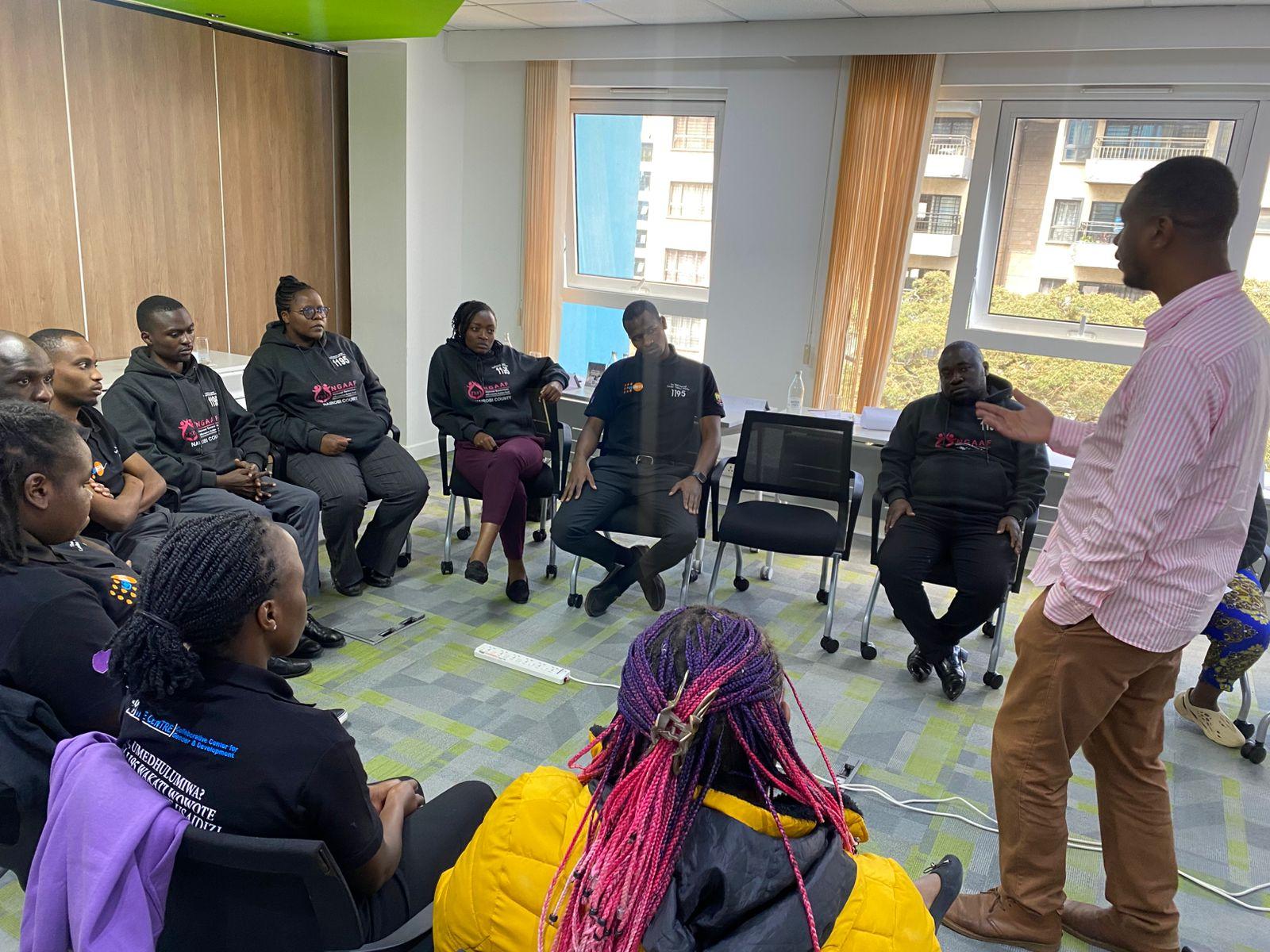
 Colleagues mapping a process and reviewing group ideas together.
When a task gets delayed, departments can have very different explanations. Sales may say operations took too long. Operations may say the request arrived without the necessary details. Finance may be waiting for an approval nobody realised was needed.
Improving workplace collaboration starts with understanding how work moves between people. A shared view of the process makes it easier to identify what is missing and agree on a better way forward.
For managers and HR teams in Uganda, this offers a practical focus for team development: examine a real point of friction and help the people involved design a workable response.
Identify where collaboration breaks down
Before planning a team development workshop, define the problem in observable terms. “People have a poor attitude” is a judgement. “Requests often arrive without a deadline or named owner” is something the team can investigate.
Look for a recurring pattern, such as duplicated work, conflicting customer updates, incomplete handovers or decisions that wait too long for approval.
Ask colleagues involved in the process to describe a typical example. Avoid assuming that one department's account gives the complete picture. The purpose is to understand what happens across the whole workflow.
Map one shared task
Choose a task that crosses departmental boundaries. Write down where it starts, which teams contribute and what completion looks like.
At each handover, ask:
- What information does the next person need?
- Who owns the next step?
- How do we confirm that the work has been received?
- What happens if there is a delay or missing information?
Consider a hypothetical procurement request. The requesting department may believe that sending an email starts the process. Procurement may require a specification and budget approval first. Mapping the steps makes that mismatch visible without turning the conversation into an argument about who is at fault.
Start with one workflow that matters. Trying to redesign every interaction in a single session can make it difficult to reach usable decisions.
Discuss behaviours that colleagues can observe
Values such as respect and accountability become more useful when people describe what they look like in practice.
For example, a team might agree to acknowledge a request, ask for missing details early, flag a likely delay before the deadline and confirm who will update the customer.
These behaviours give colleagues a shared reference point. They also make a later review more specific: did the handover include the agreed information, and was the receiving person clear about their responsibility?
Keep expectations realistic. A response deadline should reflect the team's workload and the urgency of different requests, rather than a rule nobody can sustain.
Create a discussion people can participate in
Collaboration involves relationships as well as procedures. A workshop may need to make room for different experiences without inviting personal accusations.
A facilitator can ask participants to describe a process, its effect and a possible improvement. Small group conversations, balanced speaking time and written reflection can help bring forward views that might be missed in a large discussion.
It is also useful to ask what is already working. A successful handover between two departments may offer practices that another team can adapt.
Some disagreements require a management decision. The group should recognise those boundaries and record what needs to be escalated rather than force a commitment it cannot authorise. You can learn more about structuring these discussions in our article on facilitated learning workshops.
Test a small agreement and review it
A collaboration agreement might introduce a shared request template, a clearer approval route or a short check-in for active cross-department projects.
Before implementing it, confirm who owns the change and whether the team has the tools and authority to use it. Set a review date and choose a simple indicator, such as the number of requests returned for missing information.
At the review, ask what improved, what remained difficult and what needs adjusting. Keep the conversation connected to the original problem. A new meeting or template should earn its place by helping the work move more clearly.
Support collaboration through team development
Vector Learning designs team development and facilitated learning sessions that help participants examine workplace challenges, exchange perspectives and agree on practical actions.
If collaboration between departments is slowing your work, tell us where the friction occurs and which teams are involved. That gives us a useful starting point for designing the session.
Contact Vector Learning to discuss a collaboration workshop for your organisation.
Ready to remove friction and streamline handovers across your teams?
Get in TouchComments (2)
Leave a Comment
Your email address will not be published. Required fields are marked *
Sarah N.
October 7, 2026The focus on handovers is spot on. In our firm, procurement and operations were always at odds until we mapped out the exact approval steps.
ReplyDavid O.
October 7, 2026Great practical advice. Testing small agreements before full rollout saves so much friction.
Reply